
Normal Computing
Normal Computing develops AI infrastructure for industrial and semiconductor applications, combining probabilistic algorithms with hardware-aware approaches to improve reasoning reliability. The 94-person startup has raised $84M through Series B, with backing from Brevan Howard and Celesta Capital among others.
The growth story

Normal Computing grew from 11 to 94 employees between 2022 and 2026, raising $84M along the way, most recently a Series B in March 2026.
About
Normal builds AI systems designed for physical-world applications where understanding uncertainty is critical, selling to semiconductor and industrial clients. Their approach spans software infrastructure, algorithms, and custom hardware to create AI that quantifies its own limitations.
The company reached Series B funding within four years of founding, suggesting rapid technical validation in a capital-intensive field. Their investor list includes quant-focused funds like ARIA and AngelList Quant Fund alongside industrial tech backers like Drive Capital.
Founders and leadership
Engineering dominates the organization with 16 confirmed roles, reflecting the full-stack technical demands of their AI-hardware integration work. Leadership appears lean given the 94-person headcount, with no single function beyond engineering exceeding 10% of known roles.

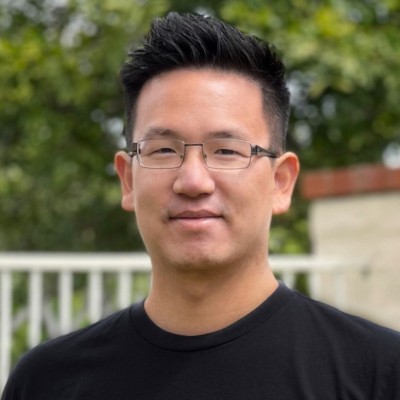


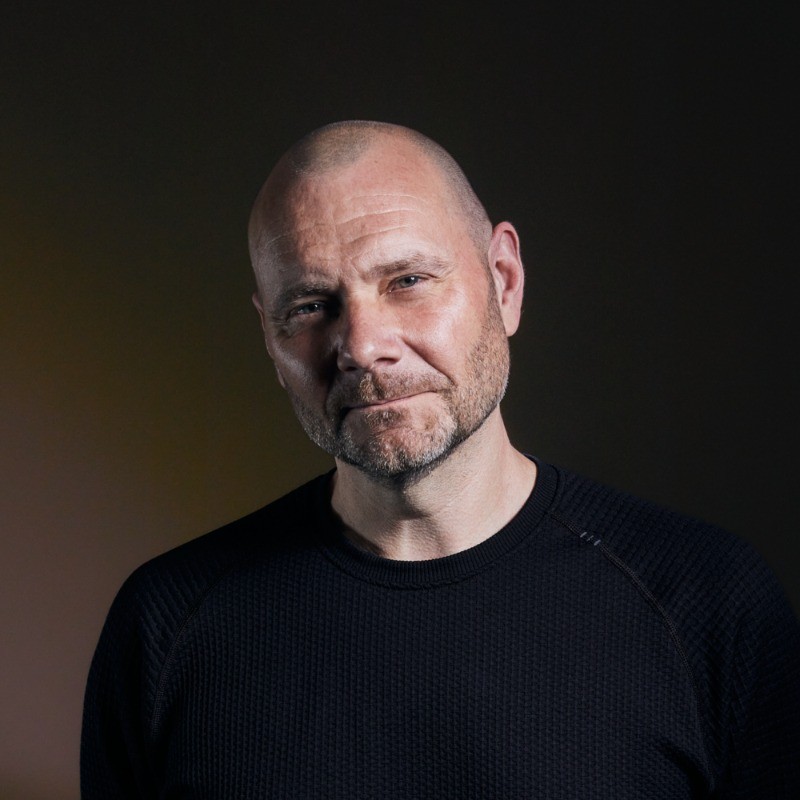

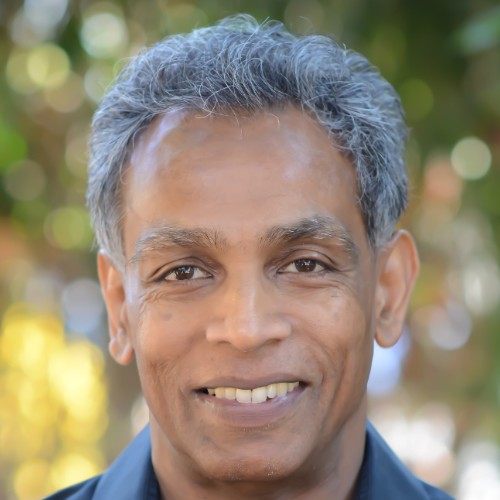

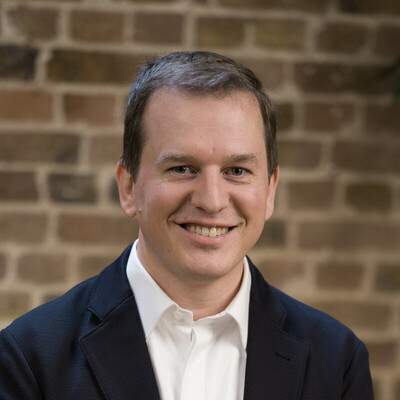

The Normal Computing org chart
Faris Sbahi (Co-Founder, CEO) leads 21 mapped leaders with 5 direct reports. Click +N to expand a team; names link to the person’s public profile.
Departments, and which ones grew
Headcount by function: Engineering 22 (+29% YoY), Operations 7 (+600% YoY), Administrative 7 (+600% YoY), Entrepreneurship 6 (+500% YoY), Business Development 6 (+50% YoY), Sales 6 (+100% YoY).
Talent flow
Normal recruits heavily from Google (10 hires) and Palantir (9), with X (formerly Google X) and Meta rounding out top sources. Their academic hires skew toward elite institutions like Berkeley and Cambridge, though sample sizes are small.
Most common previous employers of Normal Computing staff: Google (10), Palantir Technologies (9), X, The Moonshot Factory (6), Meta (5), Facebook (5), Microsoft (4). Former Normal Computing employees most often moved to .txt (3), University of Oxford (2), Assured (1), @amarchenkova (1), Ren (1), Ambrook (1).
Alumni worth knowing



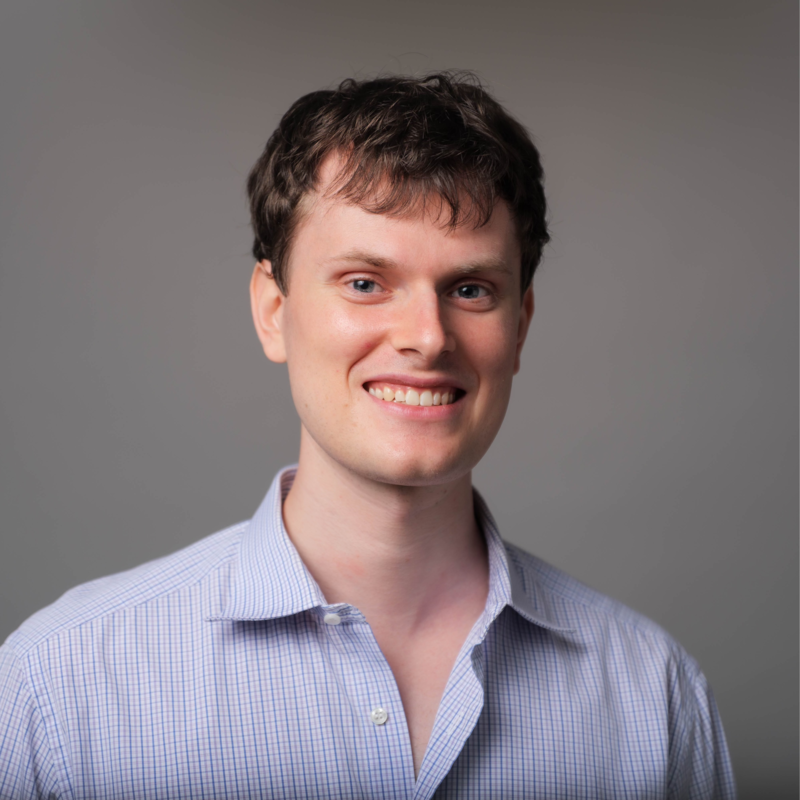
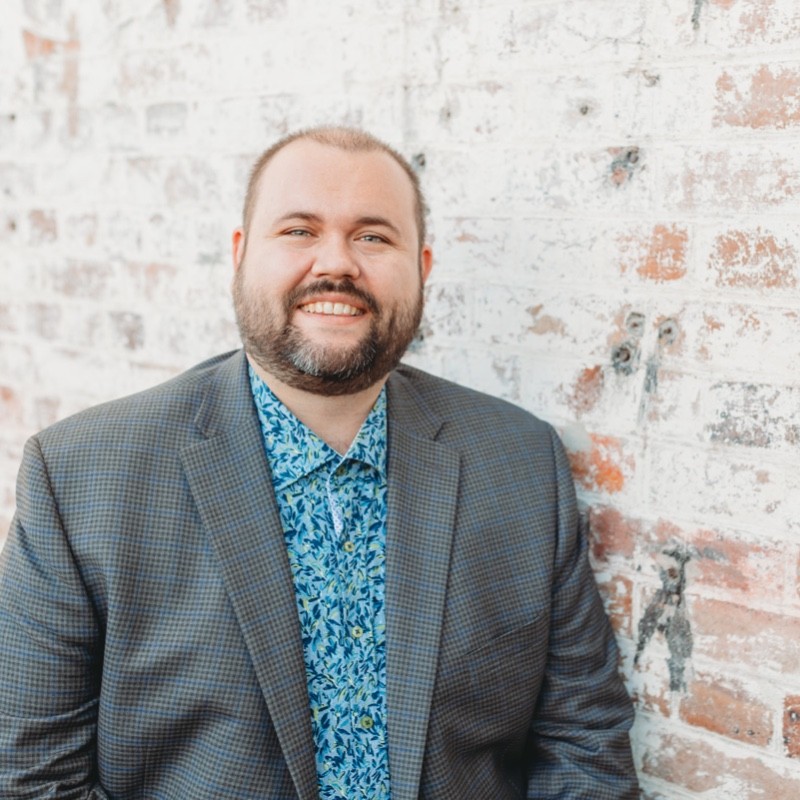



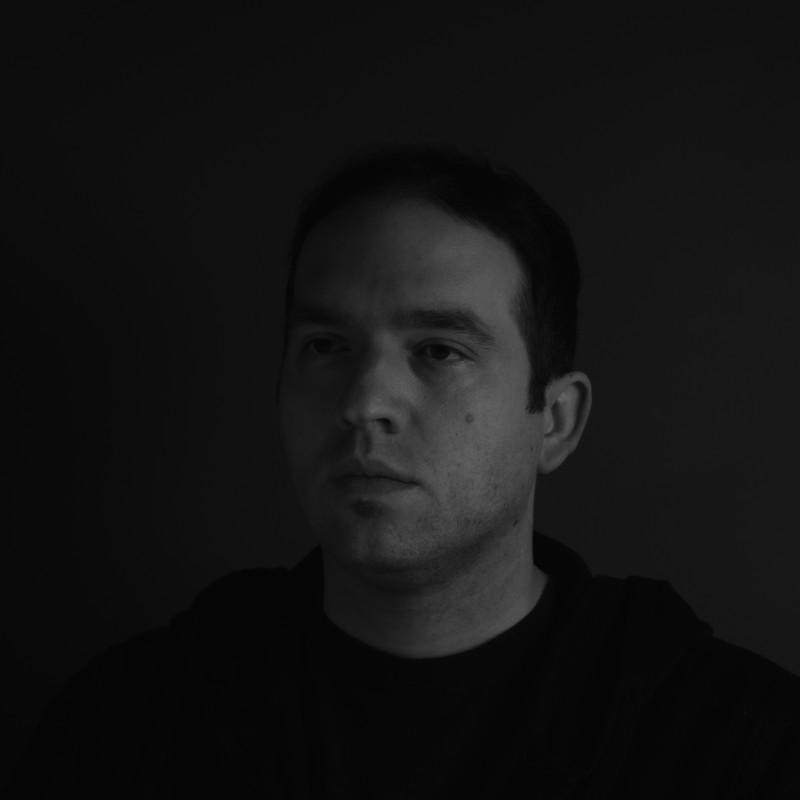
The Normal Computing mafia
Normal alumni have founded at least five companies, including .txt (28 staff) and Cleo Health (21 staff). The .txt spinout alone accounts for over half of traced alumni-founded headcount.



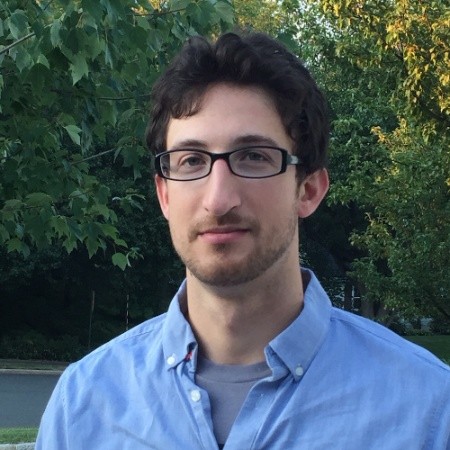 6Rémi Louf, was Senior Research Engineer until 2023Brandon T. Willard, was Staff AI Research Engineer until 2023Ben Rosand, was Founding Engineer, ML until 2023Mohammad Abu Khater, was Staff HW until 2024Jake Zerrer, was Product Engineering Lead until 2025Dan Gerlanc, was VP of Engineering until 2023
Web traffic
Traffic mix: 33% direct, 45% search, 13% social, 0% paid.
What this company is made of
Most common skills at Normal Computing: Python (Programming Language) (27), Research Skills (21), Leadership (20), Java (16), Public Speaking (15), C (Programming Language) (14), C++ (14), Machine Learning (14).
Where the team actually sits
Normal Computing people are concentrated in New York, United States (15), California, United States (6), San Francisco Bay Area (5), United States (4). 3 offices on record.
Frequently asked
Normal Computing has 94 employees as of September 2026.
Normal Computing has raised $84M in total, most recently a Series B round in March 2026.
Normal Computing was founded in 2022 by Faris Sbahi, Matthias Tan, Amy Blume, Antonio Martinez.
Faris Sbahi (Co-Founder, CEO) sits at the top of Normal Computing's reporting structure, with 5 direct reports.
The most common previous employers of current Normal Computing staff are Google (10 people), Palantir Technologies (9 people), X, The Moonshot Factory (6 people).
Former Normal Computing employees most often move to .txt (3), University of Oxford (2), Assured (1).
At least 5 companies have a founder who previously worked at Normal Computing, including .txt, Cleo Health, Philowave.
The most common skills among Normal Computing staff are Python (Programming Language), Research Skills, Leadership, Java, Public Speaking.
Normal Computing staff are concentrated in New York, United States (15), California, United States (6), San Francisco Bay Area (5).
Normal Computing has about 22 people in Engineering, up 29% over the past year, as of September 2026.
Normal Computing has about 7 people in Operations, up 600% over the past year, as of September 2026.
Computed from 55 current and 50 former Normal Computing profiles, as of September 2026. Source: Crustdata.
Build this for any company
Every number on this page came from the Crustdata API. Point the MCP at a company and get the same org chart, alumni list and talent flow in one prompt.